
Introduction
AI receptionists are no longer limited to answering simple questions. Modern solutions can understand natural language, route inquiries intelligently, manage appointments, and even analyze customer sentiment. As a result, businesses can provide better service while reducing operational costs and improving efficiency.
The rise of AI-powered customer support is reshaping how companies communicate with customers and creating new opportunities for growth and innovation.
What Is an AI Receptionist?
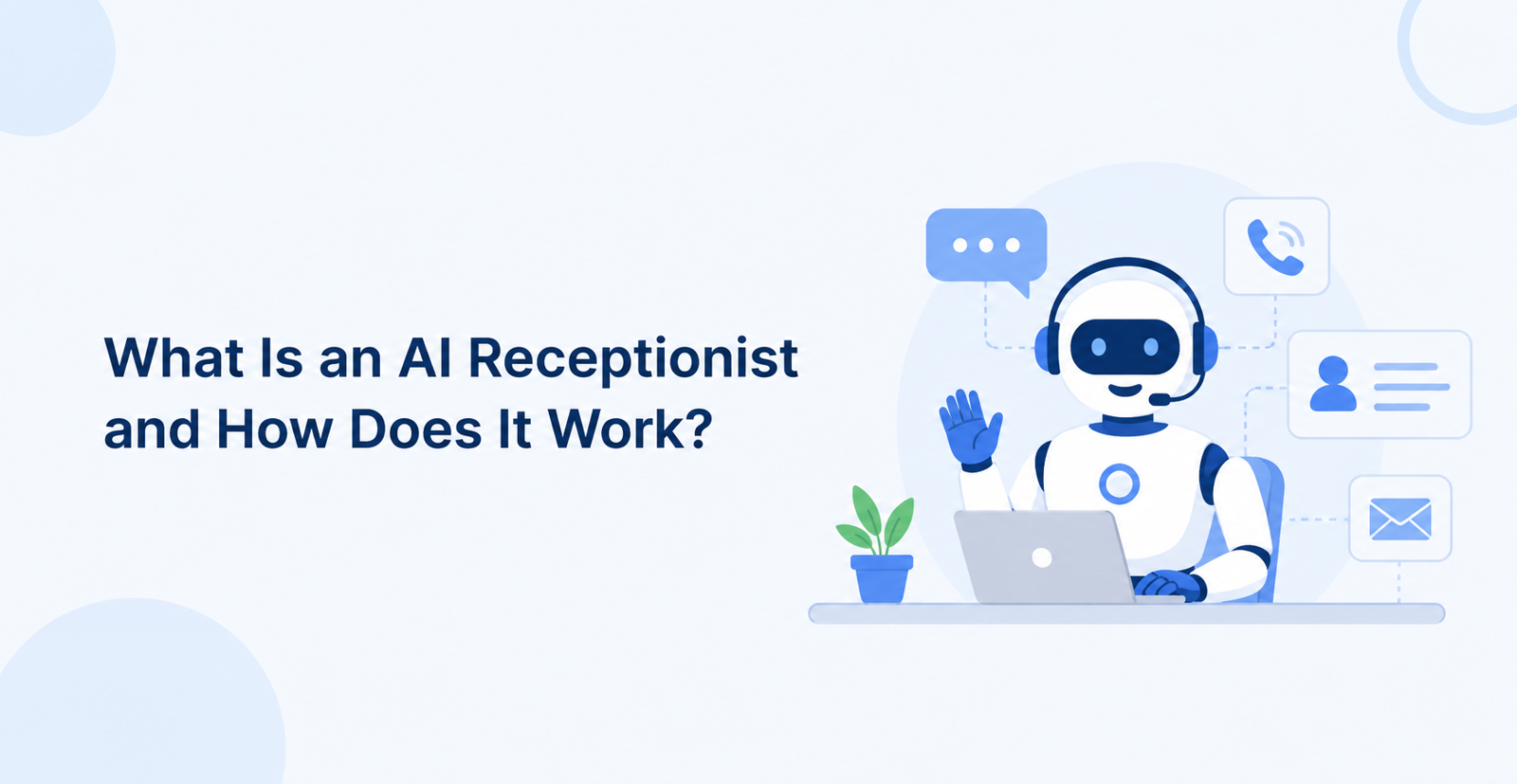
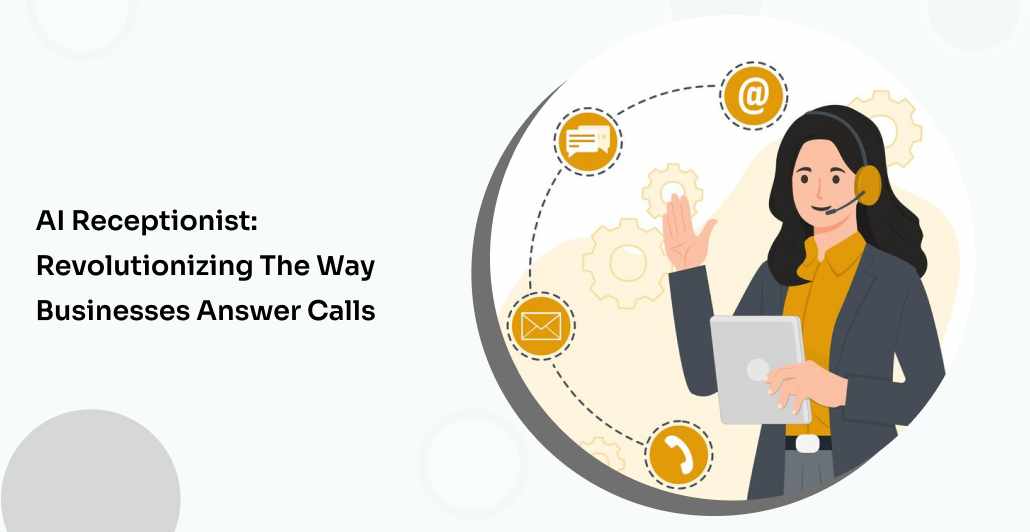
An AI receptionist is basically a remote conversation partner powered by AI systems, like natural language processing , machine learning, speech recognition, and automation.
Common tasks might include :
Answering inbound calls
Routing callers to the right department
Scheduling appointments
Providing account details
Handling service requests
Sending reminders and notifications
Collecting customer feedback
The Evolution of Customer Support
AI receptionists represent the next stage in customer support evolution. They combine automation with intelligence, enabling businesses to provide efficient, personalized, and scalable support experiences.
This shift is helping organizations move beyond reactive customer service toward proactive customer engagement.
How AI Receptionists Improve Customer Support
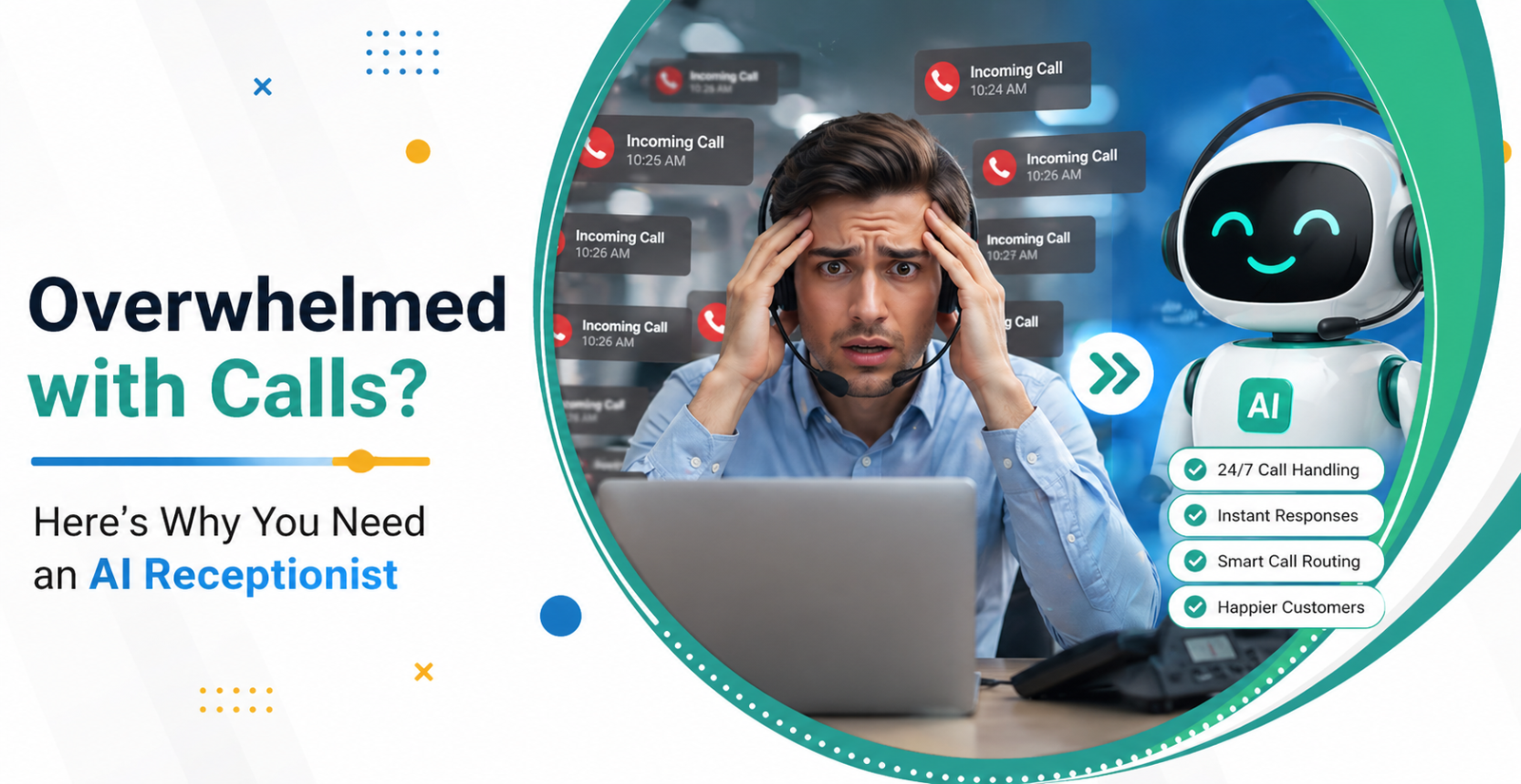
Instant Response Availability
One of the clearest benefits is speed, the answer shows up right away.
Customers don’t just sit on hold waiting for someone to pick up. Instead the system responds immediately , starts helping from the start, with little or no delay.
24/7 Customer Service
Support can happen late at night, on weekends, on holidays too, and basically anytime outside normal hours.
That always-on setup matters even more for businesses covering multiple time zones , because “business hours” start acting like a shifting boundary, sliding around.
Reduced Waiting Times
Long waits are still one of the most common complaints, no question about it.
AI receptionists can juggle multiple conversations at once, so queues and delays tend to shrink. Customers get help sooner, and that often improves satisfaction , plus it supports stronger loyalty over time.
Intelligent Call Routing
AI receptionists can figure out what the caller actually needs , then route the call to the right department, or to the best suited representative nearby, without forcing people to repeat everything again and again . Like over and over.
AI receptionists can access customer records, interaction histories, and account information to deliver customized support. By understanding customer preferences and previous interactions, the system can provide more relevant responses.
Improving Operational Efficiency
Automating Routine Tasks
Many customer service inquiries involve repetitive tasks such as appointment scheduling, order tracking, and answering frequently asked questions.
AI Call Assistant automates these activities, reducing the workload on support teams. Employees can then focus on more complex issues that require human expertise.
Supporting Employee Productivity
Customer service representatives often spend a significant portion of their time handling routine inquiries.
By managing these interactions automatically, AI receptionists allow employees to focus on higher-value activities such as problem resolution, customer relationship management, and strategic initiatives.
Cost Reduction
AI receptionists help reduce labor costs by automating communication processes. Businesses can maintain excellent customer service without significantly increasing staffing levels.
Key Technologies Powering AI Receptionists
Natural Language Processing (NLP)
NLP enables AI systems to understand and interpret human language.
This technology allows AI receptionists to engage in natural conversations, identify customer intent, and provide accurate responses.
Speech Recognition
Advanced speech recognition technology enables AI receptionists to understand diverse accents, dialects, and speaking styles with high accuracy.
Machine Learning
By analyzing customer interactions and communication patterns, AI receptionists learn how to provide better responses and optimize support processes.
Industry Applications of AI Receptionists
Healthcare
Healthcare organizations use AI receptionists to manage appointments, answer patient questions, send reminders, and streamline communication workflows.
Financial Services
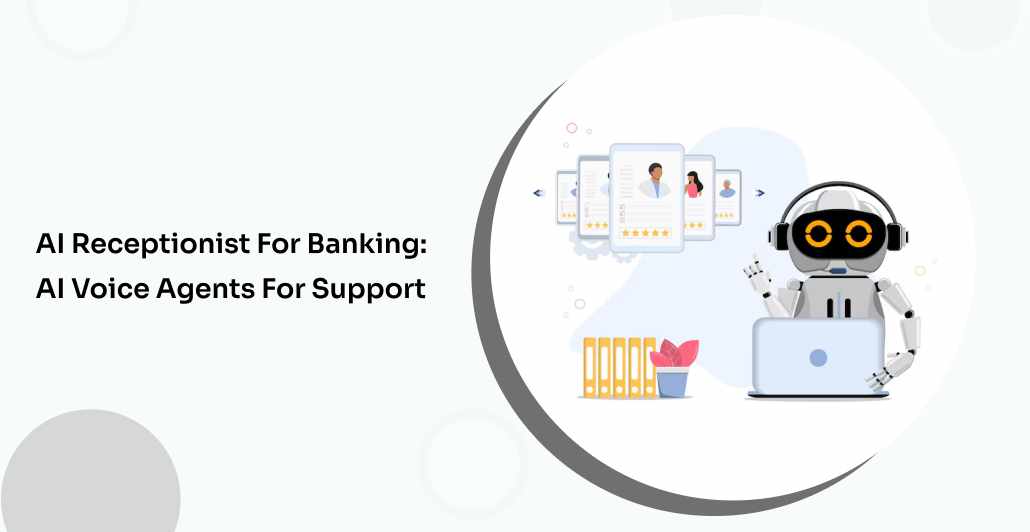
Banks and financial institutions use AI-powered systems for account inquiries, customer authentication, fraud prevention, and transaction support.
Retail and E-Commerce
Retail businesses rely on AI receptionists for order tracking, customer support, product information, and returns processing.
Hospitality and Travel
Hotels, travel agencies, and tourism companies use AI receptionists to manage reservations, booking inquiries, and guest services.
Professional Services
Law firms, consulting agencies, and service providers use AI Receptionist Reviews to handle client inquiries, appointment scheduling, and administrative communications.
Challenges and Considerations
Maintaining Human Touch
While AI receptionists offer many benefits, some customer situations still require empathy, creativity, and emotional understanding.
Businesses should balance automation with human support to ensure customers receive appropriate assistance when needed.
Data Privacy and Security
AI systems process significant amounts of customer information.
Organizations must implement strong security measures, comply with data protection regulations, and maintain transparency regarding data usage.
Integration Requirements
Successful implementation often requires integration with existing customer relationship management systems, communication platforms, and operational tools.
Businesses should develop a clear strategy to ensure smooth deployment and adoption.
Future Trends in AI Receptionist Technology
Advanced Conversational AI
Future AI receptionists will engage in increasingly sophisticated and human-like conversations.
Improved language models will enhance contextual understanding and communication quality.
Emotion Recognition
Emerging technologies are enabling AI systems to detect emotional cues in customer conversations.
Emotion-aware AI can identify frustration, urgency, or satisfaction and adjust responses accordingly.
Human-AI Collaboration
The future of customer support will involve collaboration between AI systems and human agents.
AI will handle routine interactions while humans focus on complex situations requiring judgment and empathy.
Autonomous Customer Support Systems
Future AI Phone Call may manage entire customer service workflows independently.
From answering inquiries to scheduling appointments and conducting follow-ups, autonomous systems will further streamline customer support operations.
Conclusion
AI receptionists are fundamentally reshaping customer support by combining intelligent automation with advanced communication technologies. These systems provide immediate assistance, reduce waiting times, improve efficiency, and deliver personalized customer experiences at scale.
As businesses continue to prioritize customer satisfaction and operational excellence, AI receptionists will play an increasingly important role in modern communication strategies. By automating routine tasks and supporting customer service teams, they help organizations improve productivity while maintaining high service standards.







Write a comment ...