
An AI receptionist is an artificial intelligent virtual assistant that supervises business communication without needing a full-time front desk personnel. It means being able to pick up calls, deep dive into customer queries, schedule an appointment, act as a business interaction switchboard and take routine interactions on autopilot. Various industries such as healthcare, legal services, real estate, salons and customer support are deploying AI receptionists to enhance communication along with cutting down operational costs.
Unlike older voicemail systems, or those pretty basic automated menus, an AI receptionist can actually understand natural language, then answer back in this kind of chatty way. It often feels smoother for customers, like they’re not stuck in some maze of buttons, or menus, you know. And yeah, modern AI receptionists are basically made to work round-the-clock so businesses stay reachable even when the office is closed, after hours… that sort of thing.
Understanding the Role of an AI Receptionist
An AI Receptionist kinda becomes that very first, face , someone sees when they contact a company. When a person calls, the AI answers pretty quickly and then it talks back with those “ready steps” , but also with machine learning under the hood so it can adjust in small ways. It can say hi, keep a professional vibe, ask a few targeted questions, collect the needed details, and nudge the caller toward the right department or service, not just leave them hanging, or keep them on hold , or delay them longer than they should.
Like , think about calling a dental clinic to book an appointment. The AI receptionist can check what times are open, confirm which slots actually fit, and complete the booking itself. Or imagine it’s a law firm, someone calls and asks about consultation fees, and the system replies with clear info pulled from the firm’s own database , not guesses , not random “maybe” answers, and not bouncing the caller around until they’re tired.
The real point isn’t only “answering calls”. The bigger target is smoother daily operations and yeah, happier customers too. Businesses also reduce missed calls, avoid those endless waiting loops , and stop the front desk from getting swamped when demand spikes.
How an AI Receptionist Works
AI receptionists are usually built from a tool stack, like natural language processing , speech recognition, machine learning, and automation software. When those pieces work together, the system can sort of understand what callers are saying, and respond in real time, so the back and forth stays flowing , instead of feeling choppy.
First, when the caller speaks, voice recognition turns speech into text. Next, natural language processing sort of goes through the words, tries to catch the intent, and after that it chooses an answer aligned with what it learned from its knowledge base.
Once the “best response” is picked, text-to-speech converts it back into voice, and often it sounds surprisingly natural. Usually this happens in seconds , so the conversation feels almost continuous, and honestly more human-like than you’d expect.
Also, many AI Receptionist Reviews platforms connect with calendars, CRM tools, and other business systems. That helps them manage booking meetings, updating customer profiles, sending reminders , plus routing or transferring calls to the right person, without a human spending their day doing repetitive busy work.
Key Features of an AI Receptionist
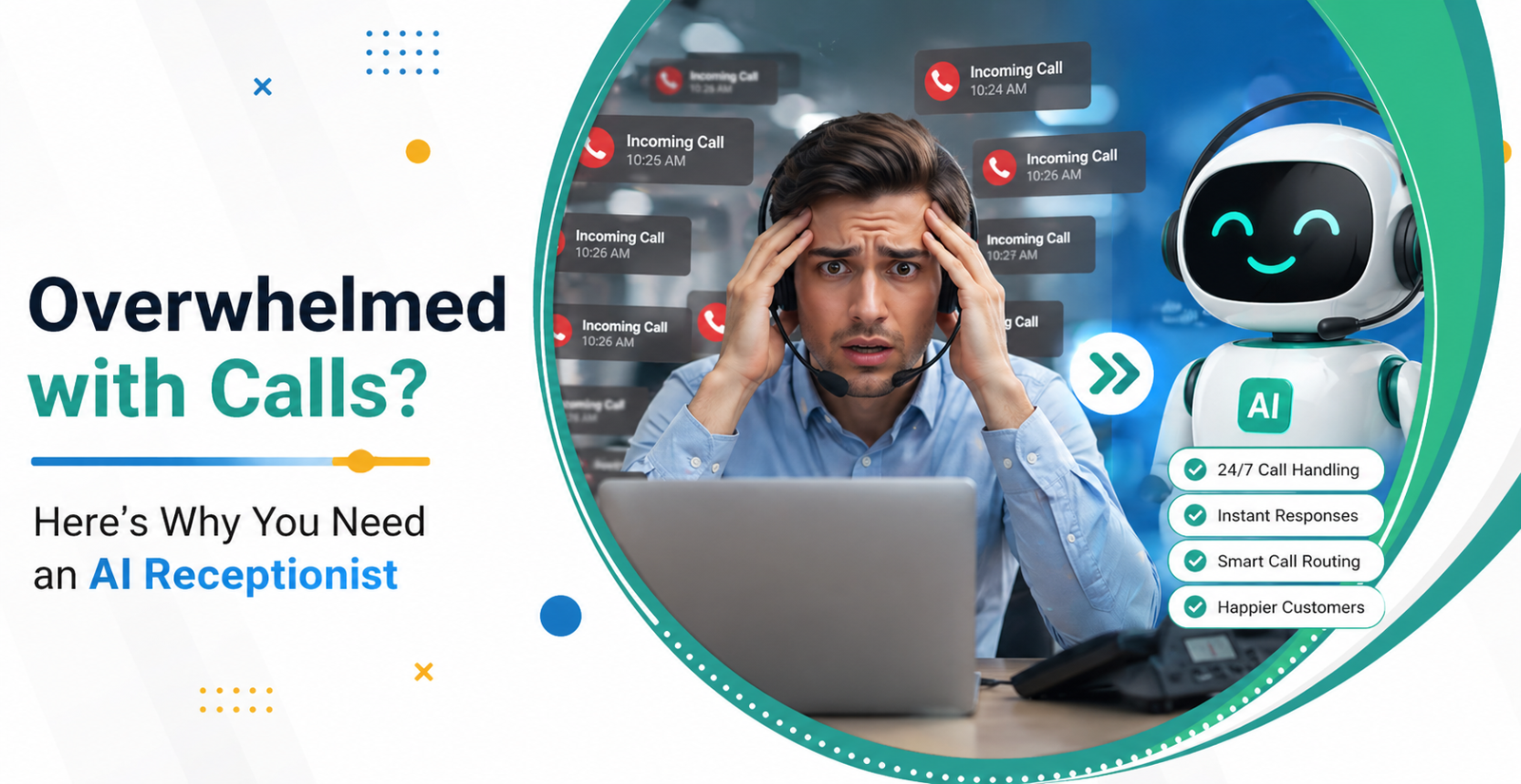
One strong perk is that an AI receptionist can juggle multiple tasks, plus multiple conversations at once. A human receptionist might handle one call , maybe two if things are quiet , but AI can talk to several callers without pausing, or getting stuck mid-flow.
Smart call routing is also common. The AI figures out why the caller rang, then reroutes them to the correct person or department. This reduces frustration, and helps callers get help sooner , instead of waiting around.
Appointment scheduling, yeah it’s another key thing. Businesses that really lean on bookings can just set up AI receptionists, and they take care of reservations on their own automatically. Customers, meanwhile can call whenever they want, schedule or reschedule an appointment without sitting around waiting for office hours that never seem to fit anyone’s plans, right?
Also, plenty of AI receptionists bring bilingual help, or even more languages. That makes it easier for businesses to talk to a wider crowd and support people who need different language access. On top of that, the AI system can send out follow-up messages, reminders, and confirmations via SMS or email, which is honestly a nice little bonus.
Some of the more advanced setups even analyze the conversation itself. They can catch patterns in customer behavior, or communication trends that keep showing up. Then businesses can use those findings to adjust their customer service approach and improve operations, little by little, not just guessing and moving on.
Benefits of Using an AI Receptionist
More and more companies are leaning into AI receptionists, because honestly they can save a good chunk of budget, and also keep daily operations feeling a little less chaotic. The first win, and probably the biggest one, is cost reduction. Like, hiring and training a full time receptionist can get pretty pricey especially for smaller teams. An AI receptionist can take on a lot of the same routine workload, usually for less cost long term, depending on how it’s set up, and how it gets configured.
Then you have another big advantage, 24/7 availability. People do call at weird hours, outside normal business time, on weekends and holidays.. it still happens, right? Without an AI receptionist, a business might miss opportunities to connect with potential clients. With AI, calls get answered right away, no strange delay while someone is looking for the phone or trying to log in from wherever they are.
AI receptionists also support consistent communication, and that actually matters more than most people think. A human receptionist might answer a bit differently depending on workload, tiredness, or their past experience. But an AI system can keep delivering the same clear, accurate, professional replies each time. That kind of uniformity can shape a smoother customer journey, almost on its own.
And sure, efficiency counts too. Team members can focus on more high value responsibilities, instead of repeating the same questions all day, or stuck dealing with those repetitive scheduling tasks. It boosts productivity, and it reduces the daily administrative burden that nobody really wants.
Industries That Use AI Receptionists
AI receptionists are showing up everywhere, and not really just in one small niche or corner. They’re catching on, because they can be tuned around specific business needs, not just shoved in as “plug and play” with generic answers, or whatever. Medical clinics, for instance, often use them for scheduling appointments and for answering those everyday patient questions. Real estate organizations also lean on AI receptionists to sort out incoming leads, triage new inquiries, and reply with property related info when people reach out.
Law firms sometimes set an AI Call Assistant to handle consultation request flows, and to guide clients through intake steps. Beauty salons and spas tend to like automated appointment booking, because scheduling mix ups seem to happen less, or at least they get handled quicker. And then hospitality brands? They often bring in AI receptionists to coordinate reservations, and respond to customer service requests in a more organized, almost steady cadence.
Even smaller startups, or online brands, are adopting this kind of AI communication too. It helps them look professional, without needing to build a huge support team, or hire too early, before they have the volume.
Are AI Receptionists replacing Human receptionists?
AI receptionists are mostly here to assist businesses, not to erase the whole human side, completely. Like honestly, AI does a pretty good job with those repetitive, everyday chat and call tasks. Still, people really matter when things get messy, when conversations need a little warmth or genuine feeling, extra care, and when trust—and those longer term ties—have to be built slowly, one careful step at a time
In a lot of places, the AI receptionist doesn’t operate in total isolation, not really. Usually it runs alongside human staff, sort of flowing with the team, same rhythm. The AI handles the basic questions, does the call directing, then the team steps in for the more specific, tailored support. And yeah, there are those moments where empathy is needed, or when a situation calls for critical thinking, not just a script that repeats
That kind of mixed setup often makes the daily routine feel smoother. Companies can lower the strain on employees, while still keeping customer relationships steady, and without it feeling like everything goes sideways the second call volume jumps
The future of AI receptionists
Artificial intelligence keeps progressing, so AI receptionists are starting to get more skilled, and their conversations are becoming more fluid in a way that feels kinda natural, almost like human cadence. Next systems should bring even more customized interactions, sharper emotional recognition, and a closer fit to how the business runs day to day, not just in theory
Voice technology is also improving, and the AI Phone Call chats are beginning to sound more natural—like way more natural than before. Over time, customers might barely notice the difference between an AI receptionist and a human helper during normal conversations. And honestly, that “almost the same” feeling is probably going to get stronger, as the years go by
Businesses that jump in early with AI communication tools could see practical wins too, such as faster replies , steadier support, and smoother everyday operations
Conclusion
An AI receptionist is basically a smart communications platform that helps businesses manage calls , handle booking requests, and support customer interactions on autopilot. When AI connects with voice tech and automation, these systems can offer dependable help 24/7, without the usual limitations
By cutting down missed calls, and by lifting service quality, AI receptionists bring real value to companies of all kinds. They don’t fully replace human staff, but they help organizations run more efficiently, and keep a more consistent connection with customers
As technology keeps moving forward , AI receptionists are expected to take on an even bigger role in how modern businesses communicate, and in shaping customer experiences week after week.



Write a comment ...